RAW Season 3, Episode 2
Some diagnoses arrive slowly. Others change everything overnight. When Jen Kanaba's ten-year-old son, Drew, developed sudden, debilitating OCD symptoms associated with PANDAS, her family was pushed into a world of specialists, conflicting advice and very few clear answers.
In this episode of RAW the Podcast, Ali sits down with Jen to talk about the nine-year search that followed, what it taught her about the body's capacity to heal, and how one mother's fight for her son became a mission to help other families.
Disclaimer: This episode shares personal experiences and perspectives for educational purposes. It is not medical advice. Consult qualified healthcare professionals before changing medications or treatments.RAW Season 3, Episode 2: Beyond the DiagnosisAbout Jen Kanaba
Jen Kanaba is the owner of Root Cause Integrative Wellness and the founder of the HEAL Conference. Her work grew directly out of her family's experience: years of asking questions, seeking second opinions and piecing together care for Drew. Today her clinic focuses on personal histories, targeted testing and tailored recommendations, and the HEAL Conference brings people together for education, shared experience and community.
Connect with Jen at healconference.org and on Instagram at @rootcauseintegrativewellness.
“Conscious choices. There is no right or wrong way. I believe it's understanding the full picture.”
— Alison Hite | RAW S3E02
In This Episode
A sudden change and a nine-year search
Drew's symptoms appeared suddenly at age ten. Jen describes how the family's life changed overnight and why that sudden onset became a clue worth investigating, rather than a set of symptoms to treat in isolation.
PANDAS and the gut-brain connection
Jen and Ali talk through the complexity of PANDAS and how illness, nutrition, sleep, stress and other biological factors may intersect with emotional and cognitive well-being. Mental and physical health, Jen argues, are more connected than we're often taught.
Testing, nutrition and individualized care
Functional medicine testing and nutritional deficiencies played a role in Drew's story. That experience shaped Jen's clinic, which emphasizes each patient's history and tailored recommendations instead of identical protocols for everyone.
Advocating for your health, and your child's
Asking questions, seeking qualified second opinions and making sure patients feel heard can change the trajectory of care. Jen shares why advocacy became one of the most important parts of her family's journey.
Conventional and integrative medicine, together
Rather than framing healthcare as a choice between opposing systems, Jen makes the case for collaboration and more comprehensive support for patients and families.
Quick fixes vs. long-term well-being
From supplements to GLP-1 medications to fertility, the conversation looks at our growing reliance on fast answers and encourages listeners to think about their broader health goals, not just immediate outcomes.
Turning personal suffering into purpose
What began as a mother's fight for her son became a clinic and a community education initiative. The HEAL Conference reflects Jen's belief that healing also needs connection, hope and the reminder that no one has to go through it alone.
Key Takeaways
A diagnosis isn't the whole story. Sudden changes in a child's mental or behavioral health are worth investigating, not just managing.
Mental and physical health are deeply connected, from nutrition and sleep to stress and illness.
Individualized care matters. Personal history and targeted testing can point to answers that standard protocols miss.
Patient advocacy can change the trajectory of care. Ask questions, seek qualified second opinions and make sure you feel heard.
Conventional and integrative medicine can work together rather than in opposition.
Quick fixes aren't the same as long-term well-being. Consider your broader health goals.
Personal suffering can become a source of purpose, as it did for Jen and Drew.
Healing needs connection and hope, not just treatment.
Listen to Jen Kanaba's conversation with Ali on Spotify or Apple Podcasts, and watch on YouTube, and follow along on Instagram at @rawthepod.
Connect with Jen at healconference.org and on Instagram at @rootcauseintegrativewellness.
Frequently Asked Questions
-
PANDAS stands for Pediatric Autoimmune Neuropsychiatric Disorders Associated with Streptococcal Infections. It describes a sudden onset of OCD symptoms, tics or other behavioral changes in children that is thought to be linked to a strep infection. Diagnosis and treatment should be guided by a qualified healthcare provider.
-
Jen Kanaba is the owner of Root Cause Integrative Wellness and the founder of the HEAL Conference. Her work began with a nine-year search for answers after her son, Drew, developed sudden OCD symptoms associated with PANDAS.
-
The HEAL Conference is a community education initiative founded by Jen Kanaba. It brings people together for real-life connection, shared experiences and education about navigating difficult health journeys.
-
Yes. In this episode, Jen Kanaba makes the case that conventional and integrative medicine don't have to be in opposition, and that collaboration can give patients more comprehensive support.
-
The gut-brain connection refers to the two-way communication between the digestive system and the brain. On RAW the Podcast, Jen Kanaba discusses how gut health, nutrition and other biological factors may intersect with emotional and cognitive well-being.
-
Pay attention to sudden changes, ask questions, keep a record of symptoms, seek qualified second opinions when something doesn't add up, and work with providers who listen and make you feel heard.
-
No two patients have the same history. Individualized care uses personal histories, targeted testing and tailored recommendations instead of applying the same protocol to everyone.
-
No. This episode shares personal experiences and perspectives for educational purposes. Consult qualified healthcare professionals before changing medications or treatments.
Related Episodes
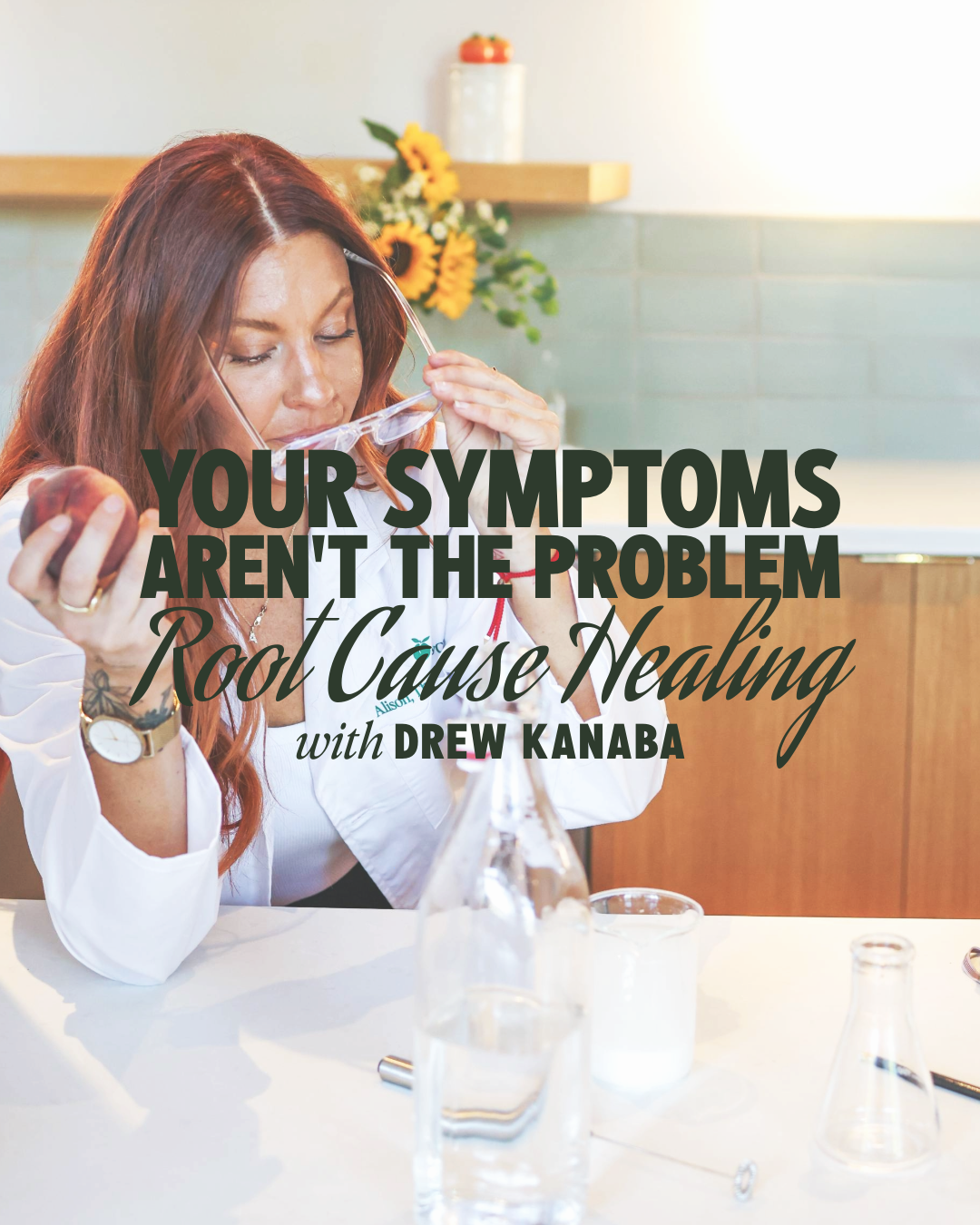
S2E11 — Healing Chronic Illness Through Root Cause Medicine
Drew Kanaba shares his own root-cause healing journey, the other side of this story.
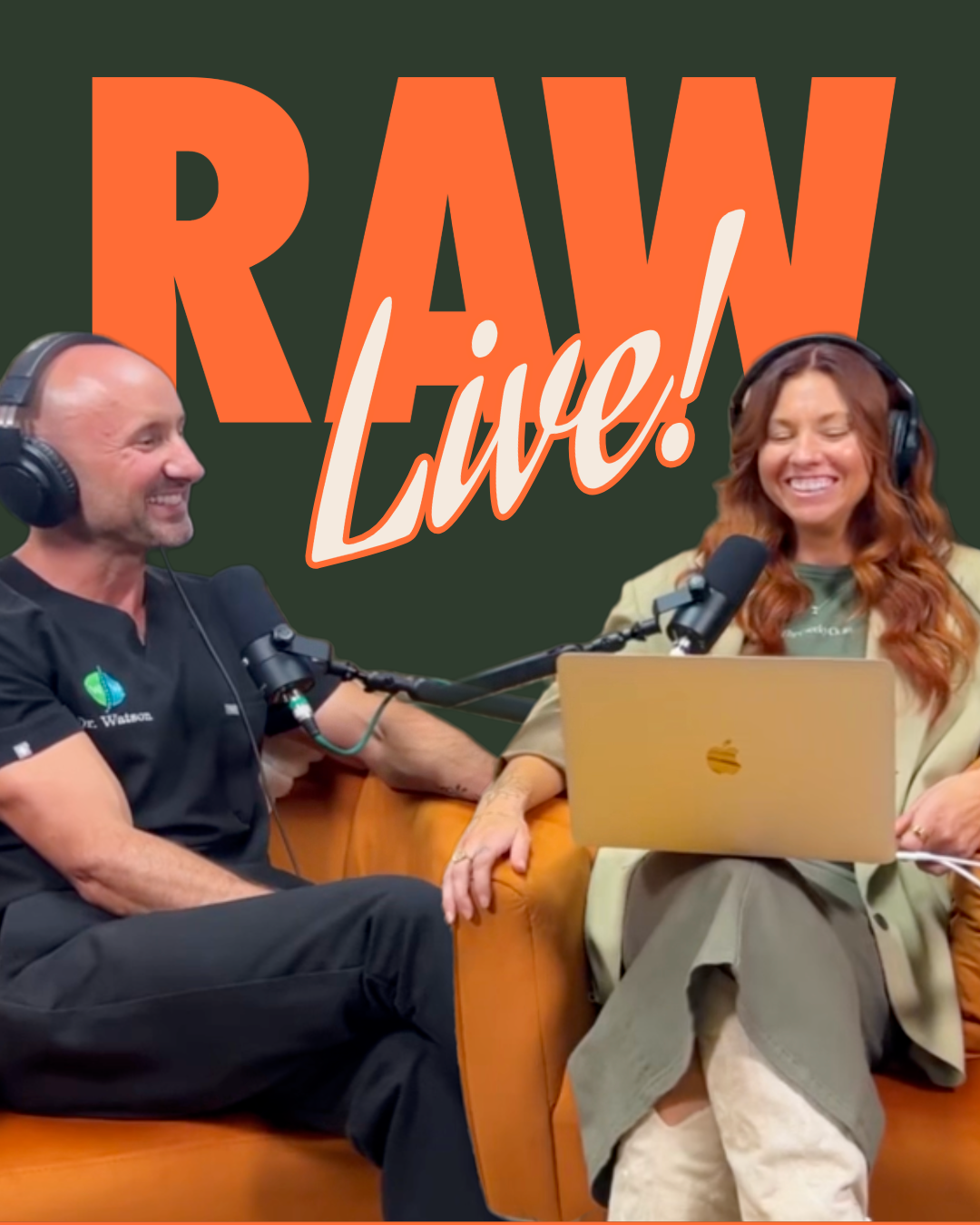
S2E21 — Healthy Made Simple: Functional Medicine & Root-Cause Healing
Dr. Jeremy Watson on making functional medicine practical for everyday health.
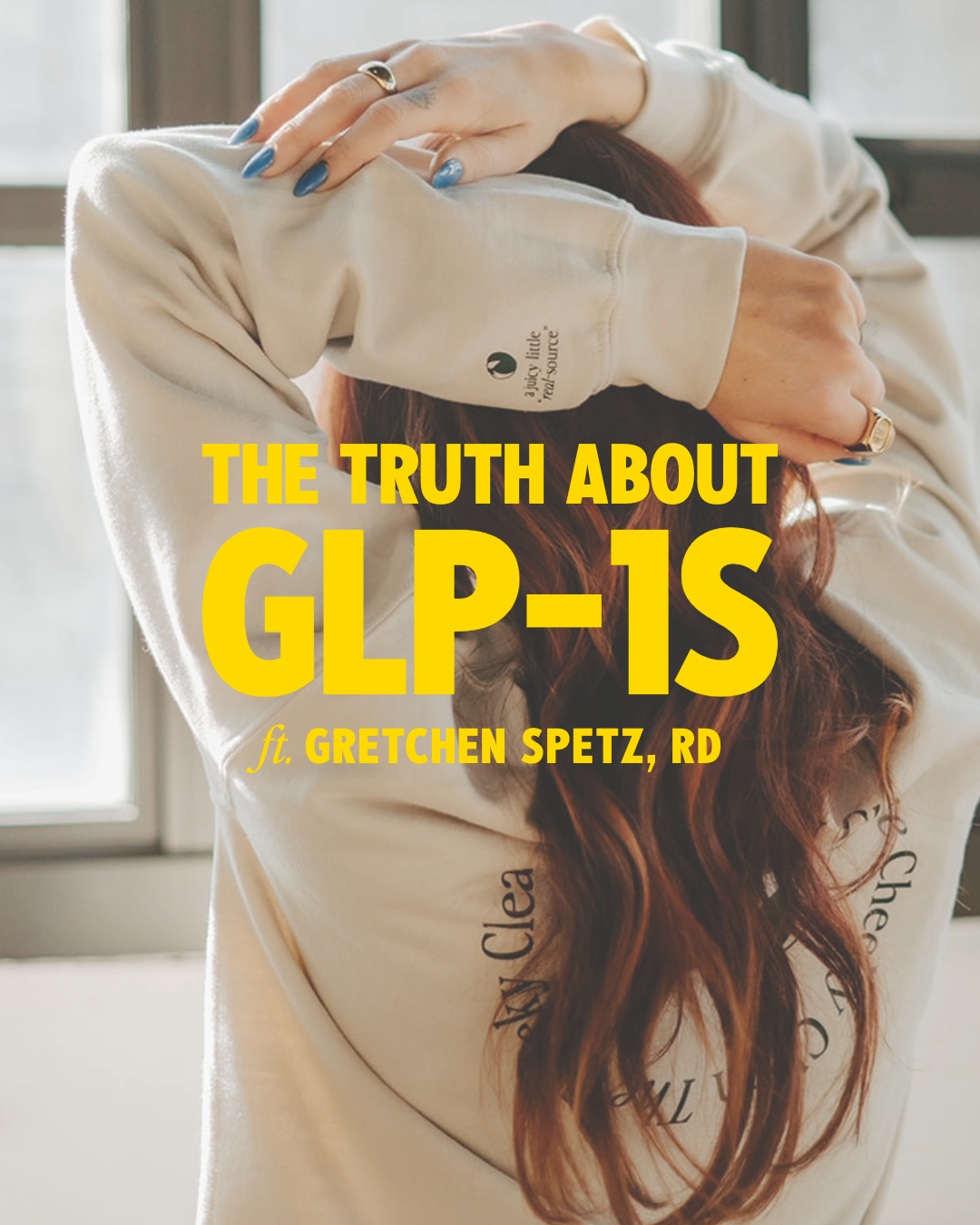
S2E12 — The Truth About GLP-1s: Sustainable Weight Loss
Gretchen Spetz, RD, goes deeper on GLP-1s and the difference between quick fixes and lasting health.