Local Food, Farmers Markets & Real Wellness: A Conversation with Kawai Bitto
Season 2, Episode 19 | ft. Kawai Bitto
RAW Season 2, Episode 19: Local Food, Farmers Markets & Living BetterWe talk a lot about what to eat. Clean ingredients. Organic labels. Avoiding the dirty dozen. But what if the conversation is bigger than that — and the answer is already happening every weekend in your own community?
In this episode of RAW, Alison Hite sits down with Kawai Bitto, Director of Market Operations at North Union Farmers Market, to talk about local food systems, food access, raising children with real food awareness, and why the farmers market might be the closest thing we have to a real-life Blue Zone.
"When you shop locally, you're not helping a billionaire buy another house — you're helping your neighbor build a life."
— Kawai Bitto | RAW S2E19
Meet our guest, Kawai Bitto
Kawai Bitto is the Director of Market Operations at North Union Farmers Market, the nonprofit organization operating a network of farmers markets across Northeast Ohio. She also sits on the board of directors for the Ohio Farmers Market Network. With a background in community nutrition and health coaching, Kawai is passionate about strengthening local food systems, supporting small farms and entrepreneurs, and creating community-centered spaces that connect people to fresh, real food, education, and local resources. Above all else, she's a wife and mom of two who brings both professional expertise and real-life perspective to every conversation about food, wellness, and community.
Connect with Kawai: Follow on Instagram
Learn more about North Union Farmers Market and follow the market on Instagram.
In This Episode We Discuss
Local Food and the Myth of the Organic Label
"Organic" certification is expensive, often inaccessible to small farms, and doesn't always reflect what's actually happening in the field. Many local producers at farmers markets are already operating well beyond organic standards — they just haven't paid for the paperwork to prove it. When you can look a farmer in the eye and ask how they grow, you get transparency that no label can replicate.
Farmers Markets Are for Everyone
One of the biggest misconceptions about farmers markets is that they're an elite experience. North Union Farmers Market actively works to dismantle that — accepting SNAP, WIC, and offering programs like Produce Perks that stretch every dollar further. If you've never checked what your local market accepts, it's worth a second look.
Kawai's Roots in Hawaii and a Deep Respect for the Land
Growing up in Hawaii, Kawai was surrounded by a culture that understood local food not as a trend but as a way of life. That foundation — where food, community, and the land are deeply connected — shaped the work she does today and the lens through which she sees food systems across the country.
The Real ROI of Shopping Local
Every dollar spent at a farmers market does more. It supports a family, funds a small farm, and keeps money circulating inside your community rather than flowing up to a supply chain that doesn't know your zip code. Supporting local isn't just a values choice — it's one of the most direct economic votes you can cast.
Raising Kids Around Real Food
Kawai and Ali both speak to the power of normalizing farmers markets and seasonal eating for children early. When kids grow up knowing where food comes from — touching it, asking about it, seeing it change with the seasons — healthier choices aren't a discipline. They're just the baseline.
Farmers Markets as Community Hubs
A farmers market is not just a place to buy produce. It's where a neighbor sells jam, where a farmer explains how to cook kohlrabi, where a child tries their first sample of something that doesn't come in a package. Kawai describes farmers markets as mini Blue Zones — spaces where food, connection, movement, and purpose overlap naturally.
Wellness Is Bigger Than Your Plate
This conversation keeps returning to the same idea: health isn't just what we eat. It's community. It's purpose. It's the small daily choices that signal to ourselves and to the people around us what we value. Local food is one of those signals — and it matters.
Key Takeaways
Local food often provides better freshness, nutrition, and transparency than mass-produced grocery store options
Farmers markets are not just for the elite — North Union accepts SNAP, WIC, Produce Perks, and senior access programs
"Organic" is useful as a grocery store filter, but local producers frequently exceed organic standards without the costly certification
Shopping local keeps more money in the hands of farmers and small makers — and out of the supply chains of large corporations
Growing up in Hawaii shaped Kawai's deep connection to local food culture and her passion for community food systems
Raising kids around farmers markets and seasonal eating normalizes real food in a way that lasts a lifetime
True wellness includes food, community, purpose, gratitude, and intentional connection — not just what's on your plate
Frequently Asked Questions
-
A: In many cases, yes. Local food is often fresher, harvested closer to peak nutrition, and grown by farmers you can speak to directly. Many small local farms meet or exceed organic standards without the cost of certification, making local a strong choice even when the label isn't present.
-
A: Many do. North Union Farmers Market in Northeast Ohio accepts SNAP, WIC, and offers programs like Produce Perks that match or extend spending power at the market. Accessibility is central to their mission.
-
A: Produce Perks is a nutrition incentive program that matches SNAP spending at participating farmers markets, doubling purchasing power for fresh fruits and vegetables. It makes farmers markets financially accessible to a wider range of shoppers.
-
A: Farmers markets provide access to fresh, seasonal, minimally processed produce — often grown without synthetic pesticides. They also create community connection, reduce food miles, and encourage more conscious eating habits. Research links these types of environments to reduced chronic disease risk.
-
A: Every food purchase is a signal about what you support. Shopping local directs money toward small farms and community businesses rather than large corporate supply chains. It's one of the most direct ways individuals can support a more equitable, sustainable food system.
-
A: Start early and make it sensory. Let kids pick produce, ask farmers questions, and try samples. When children understand where food comes from and experience seasonal variety firsthand, healthier eating becomes a default — not a battle.
-
A: North Union Farmers Market is a nonprofit organization operating a network of farmers markets across Northeast Ohio. Their mission is to connect communities to local farmers, food producers, and artisans — with a focus on food access, education, and building stronger local food systems.
-
A: Kawai Bitto is the Director of Market Operations at North Union Farmers Market and a board member of the Ohio Farmers Market Network. With a background in community nutrition and health coaching, she works to strengthen local food systems and expand food access across Northeast Ohio.
If this conversation hit something in you — the desire to slow down, shop differently, and actually know where your food comes from — this is the episode to share. Find Kawai and North Union Farmers Market at northunionfarmersmarket.org and follow along at @northunionfarmersmarket and @waianiani.
This episode is brought to you by TheCheekyClean Collagen. Use code RAW10 for 10% off at Conscious Cart.
This one is for anyone who needs it. Listen to the full episode on Spotify or Apple Podcasts.
Related Episodes
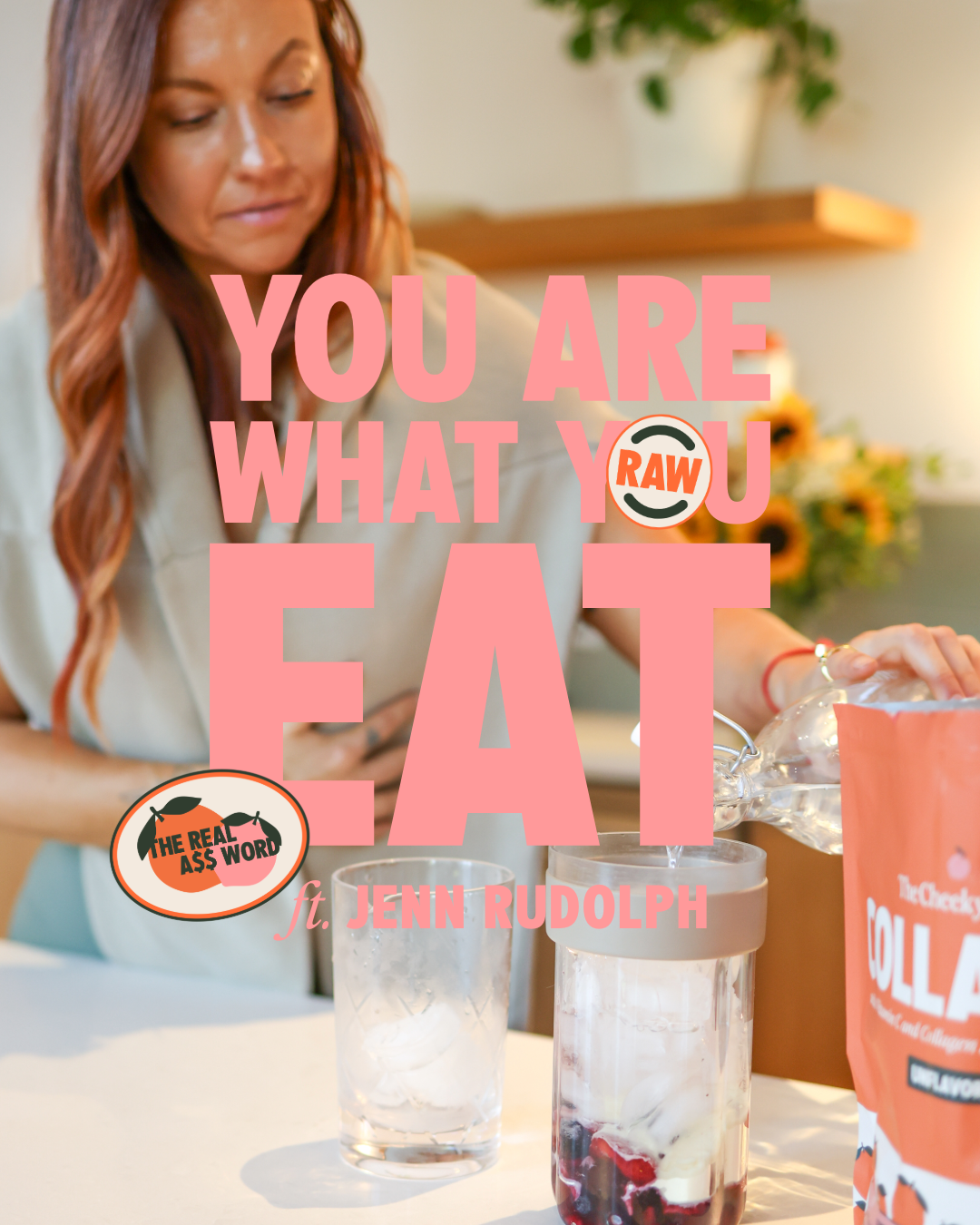
S2E10 — You Are What You Eat: Food Sourcing for Better Health
Ali and Jen Rudolph dig into regenerative farming, food sourcing, and how conscious eating directly impacts your health. A natural companion to the local vs. organic conversation in this episode.

S1E19 — How to Vote with Your Dollars ft. Mustard Seed Market
A deep look at conscious consumerism, local food brands, and what it means to spend with intention. The "vote with your dollars" thread runs directly through both episodes.

S1E22 — Choices that Prevent Disease ft. Green Farm Juicery
Melissa Roddy of Green Farm Juicery on food as medicine, organic food, and how local businesses are changing how we eat. A strong thematic bridge to Kawai's work at North Union.